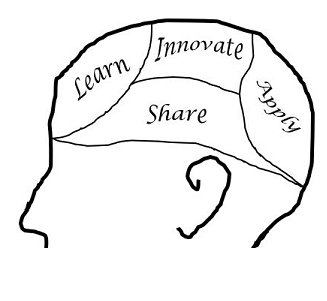
How many times have I heard the retort that something “isn’t KM”? It’s almost as if there was a desire to put KM into a box of it’s own, detached from anything else – something more abstract, offline and infrastructural. The fact is that KM has to be applied, and being applied means being involvedContinueContinue reading “Don’t worry if it’s “not KM””
Tag Archives: KMTOTD
Joiners and leavers
The joiners and leavers ‘people’ processes are good areas to embed some KM. When people are new to the organisation, still keen and not yet bogged down by today’s work can be a good time to set them up with the understanding that they need to have about KM, and also to get input andContinueContinue reading “Joiners and leavers”
Tapping the corporate memory
In one employer I worked at for over a decade I witnessed five generations of marketing department: five different heads. I just missed the sixth, which came in shortly after I left. There was some carry-over from the first to the second, and some between the fourth, fifth and sixth; but a pretty deep changeContinueContinue reading “Tapping the corporate memory”
Saving wasted time
For as long as I’ve been ‘doing KM’ – at least 26 years – I’ve frequently seen reports and stats like this one (you might have seen it): You can find it here. The fact that this has been virtually the same story for at least a quarter of a century provokes many thoughts. One isContinueContinue reading “Saving wasted time”
Making KM groups responsible for Information Management risks there being no KM at all
We are a literate society, and so we do pass on knowledge in written documents and information products. There is also much to be learned from the study of work product documents that can generate knowledge and insight. Often in organisations Information Management (IM) has fallen to KM groups to perform, but the sheer volumeContinueContinue reading “Making KM groups responsible for Information Management risks there being no KM at all”
 AI4KM - Robert Taylor