There are quite a few consultants offering ‘KM strategy’, and I’ve done quite a few myself, both as a consultant for clients and as an internal KM functional head. But what kind of thing is a KM strategy and what should it be like?
In the early days of KM’s first popular wave of uptake in the 1990s the discussion with clients was very much focused around three questions:
- What is this KM thing all about? There was a desire to understand and, I think, quickly evaluate, whether it amounted to anything that the client felt they needed to do anything about. Approaching 100% of the conversations in those days included this element.
- What solutions are there? People wanted to know if there were ready-recipes or even packaged solutions that they could adopt to address the problems identified and exploit the claimed benefits and opportunities. Approaching 100% of the conversations in those days included this element. Of course there were people in the market who had their solution that they proposed, and there were people like me saying it wasn’t really quite like that, and that it was a longer-term issue with many elements, the precise selection and configuration of which would depend on the situation. I’d say more than 50% of people preferred to investigate the ready solutions.
- What should I do? This question is the one that is looking for “strategy” as its answer.
So what is a KM strategy, is it the same as a knowledge strategy, or even a KM operating model? The simple keys to pull us out of any possible confusion are why, what and how.
A strategy is basically a plan. I think the word is used in preference to ‘plan’ because it manages to at once promise both grandeur and also simplicity. It’s grander and more important-sounding to have a strategy than a plan. And where a plan presages detail (who will do what, when and how … so on), a strategy needs only provide the main planks of the plan: the key elements, the workstreams, the milestones and timeline, perhaps. But it starts with ‘why’. The ‘why’ part is the exam question, problem statement or mission. Why KM? The answer should come from the business strategy itself, and also from some diagnosis of knowledge-related issues in the business at the time.
I usually say KM is there to enable the execution of business strategy, promote efficient and effective processes, develop distinctive capability and IP, encourage a knowledge culture, and to support all personnel in their career development and daily lives at work. But that is just a template that needs to be made more specific to the situation. Which elements are there in the business strategy, for instance lines of business, territories, promotions, organisational change and so on? Which processes and capabilities are there and what are their needs for support and development? And so on. At this level we also get to relate KM strategy to knowledge strategy because we’re identifying the key knowledge subjects and their condition as well as key features of the knowledge culture and knowledge-related processes.
After why comes what. What do we need to do about these motivating reasons for KM identified in the ‘why’ part? The ‘what’ part is, I think, the level at which KM strategy, in the sense of being the high-level plan, or the main skeleton for the more detail plan that is to follow, really resides. And the point about ‘what’ is that it means making priority choices about what you will and wont focus attention on – what will be the flavour and emphasis of the approach.
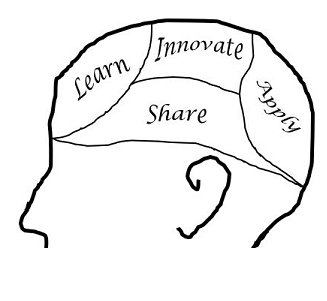
Some of the tools and dimensions of choice you have in formulating the strategy at the ‘what’ level include: Which elements of the business strategy, operations and culture to treat/not to treat and how to treat each one; whether you will focus on specific business goals, problems or opportunities; how you carve the KM approach into workstreams and phases, with a roadmap of milestones and timelines; what you will do about the different elements of a KM business system (purpose and measures; people, community and culture; content and IP; IT and infrastructure; learning, innovation, knowledge sharing and applying knowledge); which kinds of KM interventions you will make: communications, collaboration, community, information management, innovation management, process embedment and so on.
After why and what comes how and this is the level at which what we have referred to as a knowledge or KM strategy becomes much more of a detail programme/change plan and operating model. But, for some, this may be what they had been looking for from a ‘strategy’.
There’s lots of different language for describing what amounts to the analysis, planning, design and thinking side of a KM approach. Relating it to business strategy with a knowledge lens perspective, and a ‘why – what – how’ cadence will help make sense of it.
 AI4KM - Robert Taylor